
Getting genuinely whiter teeth at home is more complicated than most toothpaste packaging suggests. The gap between what a product promises and what it can actually deliver often comes down to formulation, consistency and understanding what your teeth need in the first place. Dentist-developed oral care has changed the conversation in recent years, bringing clinical thinking into everyday brushing and whitening routines in a way that generic drugstore options simply haven’t managed.
Why Most Whitening Products Miss the Mark
Walk through any pharmacy and you will find dozens of whitening products lined up on the shelves. Most rely on surface abrasives that scratch away superficial staining without addressing the underlying discolouration that builds inside the enamel over time. Whitening strips and trays using peroxide are more effective, but the concentration of the active ingredient matters significantly, as does how the product interacts with sensitive tooth enamel during use.
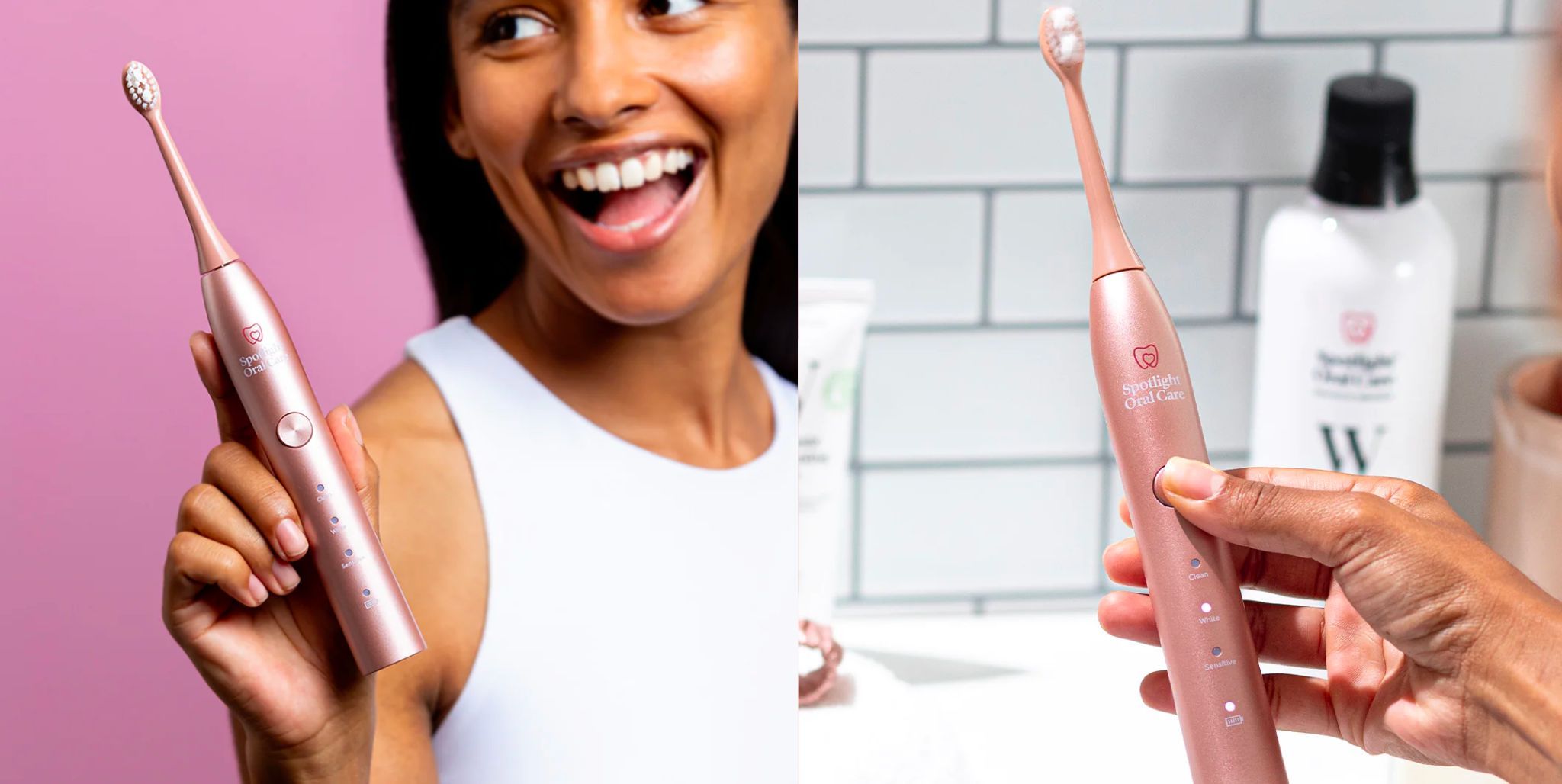
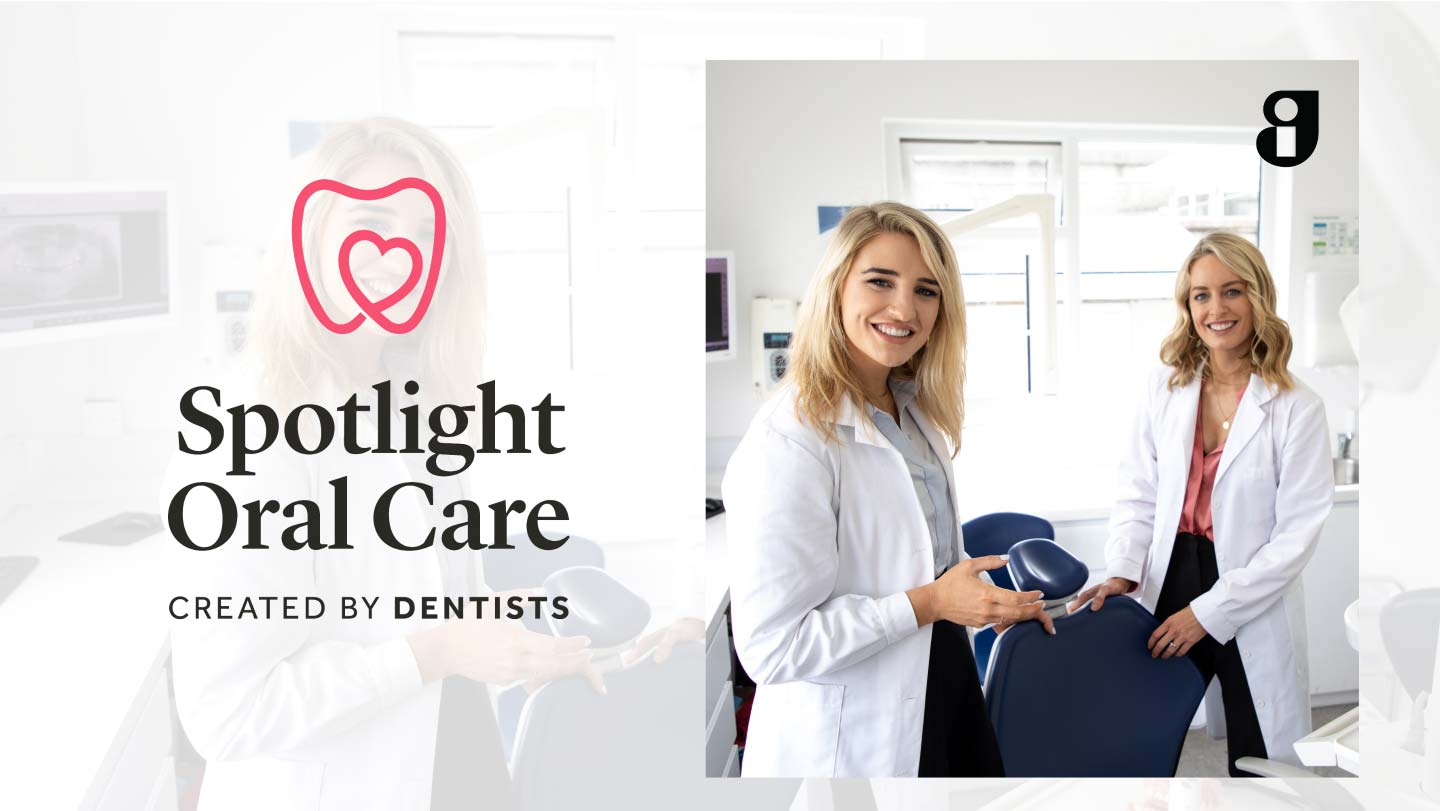
Spotlight Oral Care was founded by two dentist sisters who wanted to close the gap between what professionals use in practice and what consumers can realistically access at home. The range spans whitening strips, whitening toothpastes, electric toothbrushes and targeted treatments, all developed with the same standards that guide clinical care rather than marketing priorities.
The Ingredients Behind Effective Whitening
Hydrogen peroxide is the active ingredient in most clinically effective whitening treatments and the delivery method makes all the difference. Whitening strips that hold peroxide against the tooth surface consistently produce better results than rinses or standard toothpastes, which do not stay in contact long enough to penetrate the enamel and address deeper discolouration.
Hydroxyapatite, a mineral that occurs naturally in tooth enamel, is gaining recognition for its ability to remineralise and strengthen teeth. Some modern formulations include it alongside whitening compounds to counteract the sensitivity that intensive whitening can cause, rather than treating those two goals as separate concerns requiring separate products. Fluoride remains essential for cavity prevention and enamel reinforcement and any whitening routine worth following should work alongside fluoride rather than in place of it.
Building a Consistent Teeth-Whitening Routine
Consistency matters more than intensity when it comes to home whitening. Using a whitening product once or twice and expecting dramatic results is a setup for disappointment. What works is combining a whitening toothpaste as the daily foundation with periodic intensive treatments, whether those are strips, gel trays or light-activated whitening devices that deliver a higher concentration over a shorter application window.
The approach taken by Spotlight Oral Care reflects this system thinking. Their products are designed to be used together rather than as standalone items, which means the daily toothpaste is formulated to complement the whitening strips rather than work against them. That kind of coordinated approach is common in professional dental practice and far less common in the consumer oral care market, where brands rarely design products to interact with each other in a meaningful way.
When Tooth Sensitivity Gets in the Way
Sensitivity is the most common reason people abandon whitening routines before they see results. The experience of sharp, sudden pain when eating cold or hot food is unpleasant enough that most people would rather tolerate slightly yellower teeth than push through the discomfort. The cause is usually the whitening agent drawing moisture from the enamel tubules, which temporarily affects how the underlying nerve responds to temperature changes.
Potassium nitrate and fluoride are both recognised ingredients for reducing this sensitivity response. Dentist-formulated products often include them alongside the whitening agents rather than as an afterthought added to appease sensitive-tooth consumers. Using a sensitivity-focused toothpaste on alternating days or in the days following a strip treatment can also help maintain whitening results without the discomfort. The formulations from Spotlight Oral Care are built around this balance from the ground up, which is one of the clearer advantages of a dentist-led product line over generic alternatives that prioritise visible whitening claims over actual user experience.
What to Look For in a Complete Oral Care Range
Putting together a complete oral care routine involves more than picking whichever whitening toothpaste has the brightest packaging. There are a few things worth evaluating before committing to a system.
- A whitening toothpaste that includes fluoride and remineralising agents alongside the whitening compound, not just one or the other
- Strips or trays with a clinically tested peroxide concentration, rather than a trace amount added largely for the marketing claim on the box
- An electric toothbrush with a timer function to ensure consistent brushing time across all zones of the mouth
- Floss or interdental brushes that complement the whitening and brushing routine instead of being treated as an optional extra
- Transparent labelling that specifies active ingredient percentages rather than relying on vague efficacy claims
Electric Versus Manual Brushes in a Whitening Routine
The evidence for electric toothbrushes outperforming manual brushes on plaque removal is well established across clinical studies. The oscillating or sonic action removes more plaque, particularly at the gumline and between teeth, which are the areas most people underserve with a manual brush regardless of how carefully they try to cover those zones. That matters for whitening because surface staining and plaque accumulate fastest precisely where manual brushing tends to fall short.
An electric toothbrush from a dentist-led brand is calibrated to work alongside the rest of a whitening system. Better models include pressure sensors that protect enamel from the aggressive scrubbing that causes gum recession over time, which is a real concern when someone is simultaneously using whitening treatments that can make enamel more porous temporarily. For anyone serious about long-term oral health alongside cosmetic results, the electric toothbrush is the part of the routine that delivers compounding benefits over months and years rather than a single visible shift.
Taking oral care seriously does not mean overcomplicating it. A focused routine built around clinically developed products tends to deliver results that catch-all options rarely match, because the thinking behind each product is grounded in what dentists actually observe in practice rather than what sells well on a shelf. Spotlight Oral Care offers a complete range designed to function as a coordinated system, from the morning brushing routine through to periodic whitening treatments, giving users a professional-grade approach without needing a professional appointment for every step.
A thoughtful oral care routine is one of the more underrated investments in everyday wellbeing. For a starting point grounded in dentist expertise and honest ingredient transparency, Spotlight Oral Care is worth exploring as a foundation for the whole routine.

